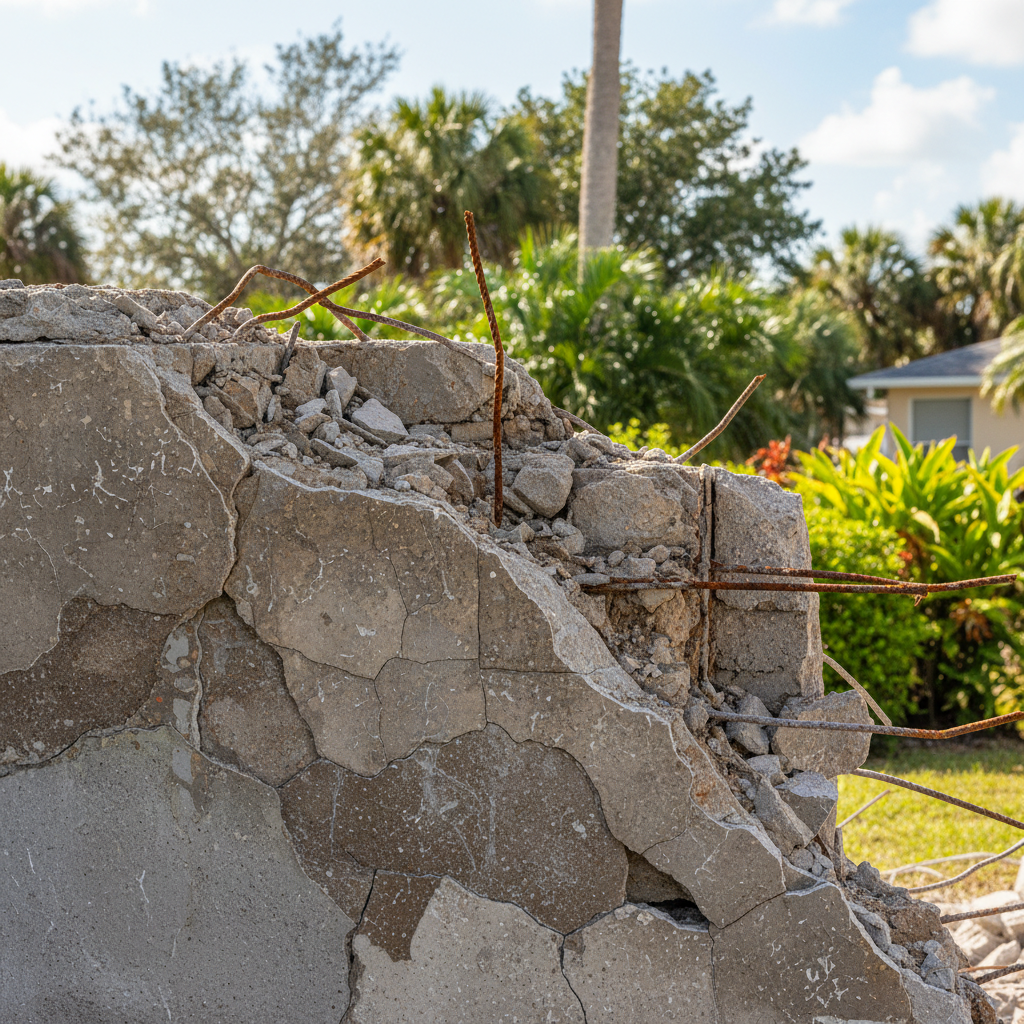
Got an old commercial building on your residential property here in Panama City that needs to go? Maybe it's a run-down shed from a previous business, an old detached garage that used to be a mechanic's shop, or even a small, empty office building. You might be looking at it and thinking, "Can I just knock this thing down myself?" That's a fair question. And the answer, like most things in life, isn't a simple yes or no. Let's break down what you, as a homeowner, really need to know about commercial demolition.
Before You Even Think About Swinging a Hammer
First off, this isn't like tearing down a backyard playhouse. Commercial structures, even small ones, come with a whole different set of considerations. Before you do anything, you've got to do your homework. Trust me, skipping this step is where folks get into real trouble.
- Permits, Permits, Permits: This is non-negotiable. You absolutely need a demolition permit from Bay County or the City of Panama City, depending on your exact location. They'll want to see plans, understand what's coming down, and make sure it's safe. Don't even think about starting without one. The fines are no joke, and you could be forced to stop work, leaving you with a half-demolished mess.
- Utilities Disconnection: Are there active power lines, water pipes, gas lines, or sewer connections running to that building? You can't just cut them. You need to contact Gulf Power, your water utility, TECO Gas, and the appropriate sewer department to have these services properly disconnected and capped off. This is a huge safety issue. Electrocution or a gas leak? Not something you want to mess with.
- Asbestos and Lead Paint: This is a big one, especially for older commercial buildings. Structures built before the late 1970s often contain asbestos in roofing, insulation, floor tiles, and siding. Lead paint was common before 1978. You need to have the building inspected by a certified professional for these hazardous materials. If they're present, you absolutely cannot disturb them yourself. This isn't a DIY job; it requires specialized, licensed abatement contractors. Ignoring this is not only dangerous for your health and your family's but also illegal.
- Environmental Concerns: What was the building used for? If it was a mechanic's shop, there might be oil, fuel, or chemical residue in the soil. An old dry cleaner? Could be solvents. You might need an environmental assessment to ensure there's no contamination that needs remediation. This is less common for small structures but critical to consider for certain commercial uses.
What You Might Be Able to Handle (Maybe)
Okay, so after all that, you're probably wondering if there's anything you can do yourself. For very small, non-hazardous structures, there might be. Think a small, unpowered shed that was once a tiny roadside stand, or a light timber-framed structure with no utilities and confirmed no hazardous materials.
- Interior Strip-Out (Carefully): If the building is clear of asbestos and lead, you might be able to remove non-structural interior elements like drywall, old fixtures, or non-load-bearing walls. This helps reduce the volume of debris for the pros. But again, be absolutely certain about hazardous materials first.
- Salvage: If there are materials you want to keep – old bricks, lumber, metal – you can carefully remove those. It's a good way to recycle and save a little cash. Just make sure you're not compromising the structural integrity of what's left, especially if a professional is coming in to finish the job.
- Site Prep: Clearing brush, moving vehicles, or fencing off the area can be done by you. This makes the site safer and more accessible for the demolition crew.
When to Call in the Pros (Almost Always)
Look, for most commercial demolition, even small-scale, you're going to need a professional. It's not just about knocking walls down; it's about doing it safely, legally, and efficiently. Here's why Guardian Demolition, or any reputable demolition contractor, is usually your best bet:
- Safety: Demolition is inherently dangerous. Falling debris, unstable structures, heavy machinery – it's a minefield for the inexperienced. Pros have the training, equipment, and safety protocols to minimize risk.
- Equipment: You're not going to take down a concrete block building with a sledgehammer. We've got excavators, skid steers, and specialized tools that get the job done quickly and safely.
- Expertise: We know how buildings are put together and, more importantly, how to take them apart without causing unintended damage to nearby structures or utilities. We understand load-bearing walls, structural integrity, and how to control the collapse.
- Debris Removal and Disposal: This is a huge headache for homeowners. Commercial demolition generates tons of waste. We have the trucks, containers, and relationships with landfills and recycling centers to handle it all properly. We know what can be recycled and what needs special disposal, which is especially important with our local waste management rules.
- Permit Navigation: While you're responsible for getting the permit, a good contractor can help guide you through the process, ensuring all requirements are met.
- Insurance and Liability: If something goes wrong on a DIY job – someone gets hurt, or damage occurs to neighboring property – you're on the hook. A licensed and insured contractor carries the necessary liability, protecting you.
Even for a small structure, the risk of injury, fines, or environmental contamination far outweighs any potential savings from a DIY approach. Especially here in Panama City, where our soil can be sandy and unstable in places, you don't want to accidentally undermine a nearby foundation or cause a collapse you can't control.
After the Dust Settles
Once the building is down and the debris is hauled away, the job isn't quite finished. You'll have a cleared lot, but it might need some grading and backfilling to make it usable. We can handle that too, shaping the land so it drains properly and is ready for whatever you've got planned next, whether it's a new garden, a garage, or just a nice, clear space.
So, while the idea of tearing down that old commercial building yourself might seem appealing, for most Panama City homeowners, it's a job best left to the experts. Get your permits, do your inspections, and then call in a professional demolition company. It'll save you a lot of headaches, money, and potential danger in the long run.