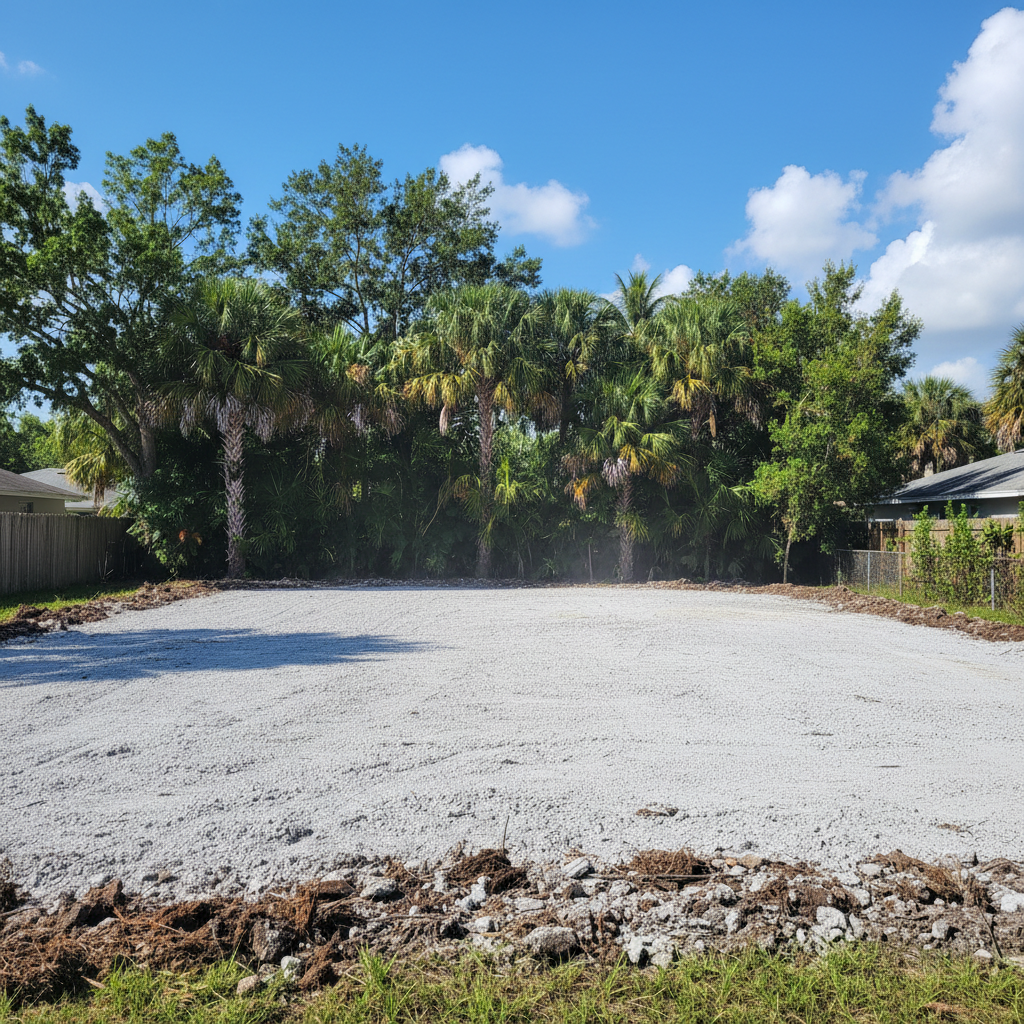
So, you've finished up the whole demolition process. The old building's gone, all the junk is cleared out, and now you're staring at a perfectly clean slate. Awesome! But here's the kicker, something a lot of folks in Panama City, FL, tend to miss: that site won't just stay pristine forever. You absolutely have to keep an eye on it, or you're just asking for trouble down the road. Believe me, I've seen it happen way too many times.
Think about it this way: you wouldn't build a brand-new house and then just never clean it, right? A demolition site, even after all the big work is done, still needs some TLC. This isn't about rebuilding, not yet anyway; it's about making sure your cleared land stays safe, stable, and truly ready for whatever comes next, without turning into a massive headache.
Keeping Your Demolition Work Solid for the Long Haul
When we talk about 'extending the life' of demolition work, what we really mean is keeping that cleared site in good shape. You shelled out good money to get that structure removed and the area prepped. The whole point is to keep the site stable and stop it from becoming a problem or needing more work than it should before your next project even kicks off.
First off, proper grading is super important. After a demolition, the ground needs to slope away from any neighboring properties or where you plan to build next. This isn't just about making it look nice; it's all about managing water. With the heavy Florida rains we get, especially during hurricane season, water can quickly eat away at soil, create sinkholes (even small ones!), and mess with foundations if it's not routed correctly. I've personally seen properties near the Hathaway Bridge turn into total mud pits because the grading after demolition wasn't done right. You want a gentle slope that pushes runoff away from important areas, not right into them.
Then there's compaction. The soil where the old building used to sit needs to be packed down properly. This stops settling, which could cause cracks in future foundations or paving. We use heavy equipment for this, but over time, if it wasn't done thoroughly or if heavy machinery keeps driving over the site, you might see spots start to sink. Keeping an eye on this is absolutely crucial.
Finally, consider putting down some temporary ground cover. If you're not planning to build right away, planting a cover crop or even laying out some erosion control blankets can protect the soil from wind and water. It's a pretty simple step, but it can save you a ton of regrading work later on.
Regular Maintenance: What It Actually Looks Like
Keeping a cleared commercial site maintained isn't rocket science, but it does mean being consistent. Here's what you should be doing:
- Drainage Checks: After any big rain, walk the site. Are there puddles where they shouldn't be? Is water collecting against existing buildings or property lines? If so, you've got a drainage issue that needs fixing. Sometimes it's just a clogged temporary swale; other times, it means regrading a small section.
- Erosion Control: Pay attention to any exposed dirt. If you see ruts forming from water runoff, or if wind is visibly carrying away topsoil, your erosion control isn't doing its job or wasn't enough. You might need to add more straw wattle, silt fencing, or re-seed those areas.
- Perimeter Security: This is a big one. A cleared site can easily attract trespassers, illegal dumping, or become a safety hazard. Make sure your fencing is secure, gates are locked, and any warning signs are easy to see. Regular patrols, even just driving by, can help keep problems away.
- Debris & Vegetation Control: Even after a really good cleanup, small bits of rebar, concrete, or wood can pop back up. Keep the site clear of these. Also, weeds and brush will definitely try to take over, especially with our climate. Mow or clear them regularly. Tall weeds can hide hazards and make the site look neglected, which, let's be honest, can just invite more unwanted attention.
Warning Signs That Something's Wrong
You don't need to be a demolition expert to spot trouble. Here are some red flags that tell you something just isn't right:
- Unexpected Settling or Depressions: If you notice parts of the ground sinking, forming bowls, or creating noticeable dips, that's a serious problem. It could point to bad compaction, a void underneath, or even a small sinkhole starting to form.
- Cracks in Nearby Structures or Pavement: If a building next door or a sidewalk nearby starts showing new cracks, especially close to your cleared site, it might be a sign of ground movement or instability caused by your demolition.
- Too Much Water Pooling: More than just a temporary puddle, if water consistently sits for days after it rains, your drainage is failing. This can lead to mosquito breeding grounds, saturated soil, and even more erosion.
- Exposed Utilities: Sometimes, old utility lines (water, sewer, electrical conduits) that were supposed to be capped or removed can become exposed because of erosion or ground movement. This is a major safety hazard, no question.
- Illegal Dumping or Vandalism: If you start seeing trash piles, graffiti, or signs of forced entry, your security measures aren't cutting it. This isn't just about looks; it can lead to environmental violations and further damage.
When It's Time to Call a Professional
Look, you're busy running your business. You can probably handle the basic checks, but some things are just beyond a quick fix. If you spot any of those warning signs — significant settling, new cracks, or persistent drainage issues — don't hesitate. Call a professional. That's exactly where Guardian Demolition comes in.
We really understand the local soil conditions, the water table, and the unique challenges our Panhandle weather throws at us. We can assess the situation, figure out the root cause, and recommend the right solution. Sometimes it's a simple fix; other times it needs specialized equipment and expertise to re-compact, regrade, or stabilize the site properly. Trying to DIY a major ground stability issue can be dangerous and, honestly, end up costing you way more in the long run than just calling us in early. Your investment in that cleared land is valuable, and protecting it means knowing when to bring in the pros.