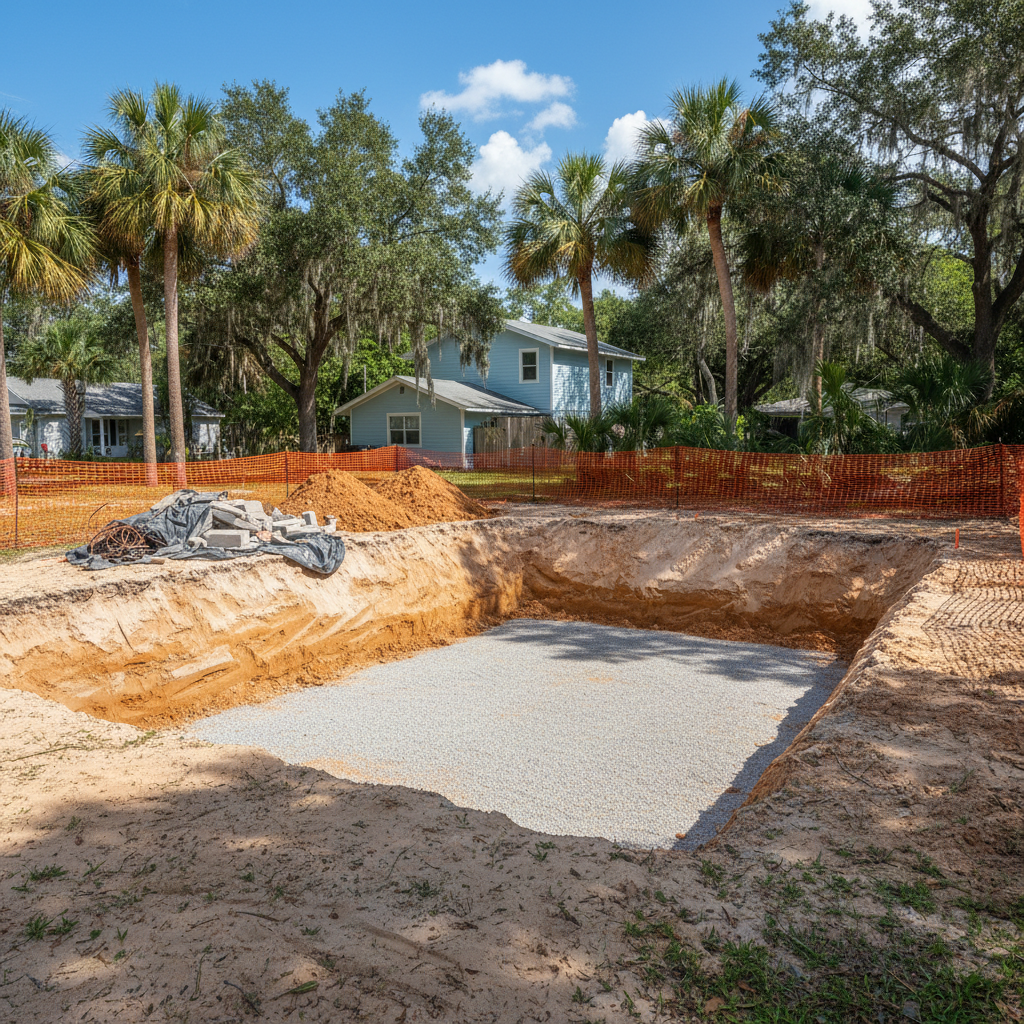
Need some dirt moved? Maybe you're putting in a new foundation, digging a trench for utilities, or just need your yard graded right. Whatever the reason, excavation isn't usually a DIY job, and you're probably wondering what it's going to cost you here in Panama City.
I've been in this business a long time, seen all kinds of projects. Here's the straight talk on what actually affects excavation pricing, what you can expect to pay, and how to make sure you're getting a fair deal.
What Makes Excavation Costs Go Up or Down?
It's not just about how much dirt you need moved, believe me. A lot of things factor into the final price tag. You've got to think about:
- Project Scope: This is huge. Are we talking about a small trench for a new waterline, or are we digging out a full basement foundation? The bigger and more complex the job, the more it's going to cost. Simple grading is one thing; digging a precise, deep hole for a pool is another entirely.
- Soil Conditions: This is a big one for us around here. If your property sits on nice, sandy soil, it's generally easier and quicker to dig. But if we hit hard clay, limestone, or a lot of roots — which is pretty common in older neighborhoods with mature trees, or areas closer to the bay — that's going to slow things down. It also means we'll need heavier equipment. We might even have to bring in a rock hammer, and that definitely adds to the cost.
- Accessibility: Can we get our equipment in easily? If we're working on a tight lot in, say, St. Andrews, with fences, power lines, or existing structures making access difficult, it just takes more time. Plus, we'll need smaller, specialized machines. That translates to higher labor and equipment costs.
- Depth and Precision: A shallow, rough dig is cheaper than a deep, perfectly level foundation excavation. The more precise the work, the more time and skill it demands.
- Hauling and Disposal: What happens to the dirt once it's out of the ground? If we have to haul it off-site, you're paying for truck time, fuel, and disposal fees at a landfill or a dirt dump. Sometimes, if it's clean fill, we can find a place that will take it for free or even pay for it, but don't count on that. On the flip side, if you need new material brought in, like fill dirt or gravel, that's another cost.
- Permits and Inspections: Depending on the project, you might need permits from the city or county. These aren't usually huge costs, but they're part of the overall picture.
Typical Cost Ranges in Panama City
Okay, let's talk numbers. These are general ranges, but they'll give you a good idea:
- Small Jobs (e.g., trenching for a utility line, small drainage ditch): You're probably looking at anywhere from $500 to $2,500. This could be a few hours to a full day of a mini-excavator and an operator.
- Medium Jobs (e.g., grading a small yard, digging a small foundation for an addition, land clearing for a shed): These can run from $2,000 to $7,000. This often involves a larger excavator or a skid steer for a day or two, possibly with some hauling.
- Large Jobs (e.g., full house foundation, extensive land clearing, large-scale grading, pond digging): For these, expect to pay anywhere from $7,000 to $30,000 or more. These projects require significant equipment, multiple days or weeks of work, and often extensive hauling.
- Per Hour Rates: If you're just looking for an hourly rate for an excavator and operator, you'll typically see prices from $150 to $300 per hour. This depends on the size of the machine and the complexity of the work. This usually includes fuel and the operator.
Remember, these are just averages. A foundation dig on a pristine, flat lot will be on the lower end, while a complex job in a tight, rocky space will definitely be on the higher end.
What Should a Quote Include?
When you get a quote, make sure it's detailed. A good quote from a company like Guardian Demolition should clearly spell out:
- Scope of Work: Exactly what will be dug, graded, or moved.
- Equipment Used: What machinery they plan to bring.
- Labor Costs: How many crew members and for how long.
- Hauling and Disposal: If dirt needs to be removed, this should be itemized.
- Material Costs: If they're bringing in fill, gravel, etc.
- Permit Responsibility: Who is responsible for pulling permits.
- Timeline: An estimated start and completion date.
- Contingencies: What happens if they hit unexpected rock or buried utilities.
How to Avoid Overpaying
Nobody wants to get ripped off, especially when you're investing in your property. Here's how to protect your wallet:
- Get Multiple Bids: Always get at least three detailed quotes. This helps you compare not just the price, but also the scope of work and what's included.
- Check References and Reviews: A reputable contractor will have a track record. Ask for references and check online reviews.
- Be Clear About Your Needs: The more information you can give the contractor upfront, the more accurate their quote will be. Show them plans, mark out areas, and explain your goals clearly.
- Understand the Contract: Don't sign anything you don't fully understand. Ask questions about anything unclear. What are the payment terms? What happens if there are delays?
- Avoid Cash Deals: Always get everything in writing. Cash deals might seem cheaper upfront, but they offer you no protection if something goes wrong.
- Don't Automatically Go for the Lowest Bid: The cheapest option isn't always the best. A super low bid might mean they're cutting corners, don't understand the scope, or aren't properly insured. You want value, not just the lowest price.
Excavation is a critical first step for many projects. Do your homework, ask the right questions, and you'll get the job done right without breaking the bank.