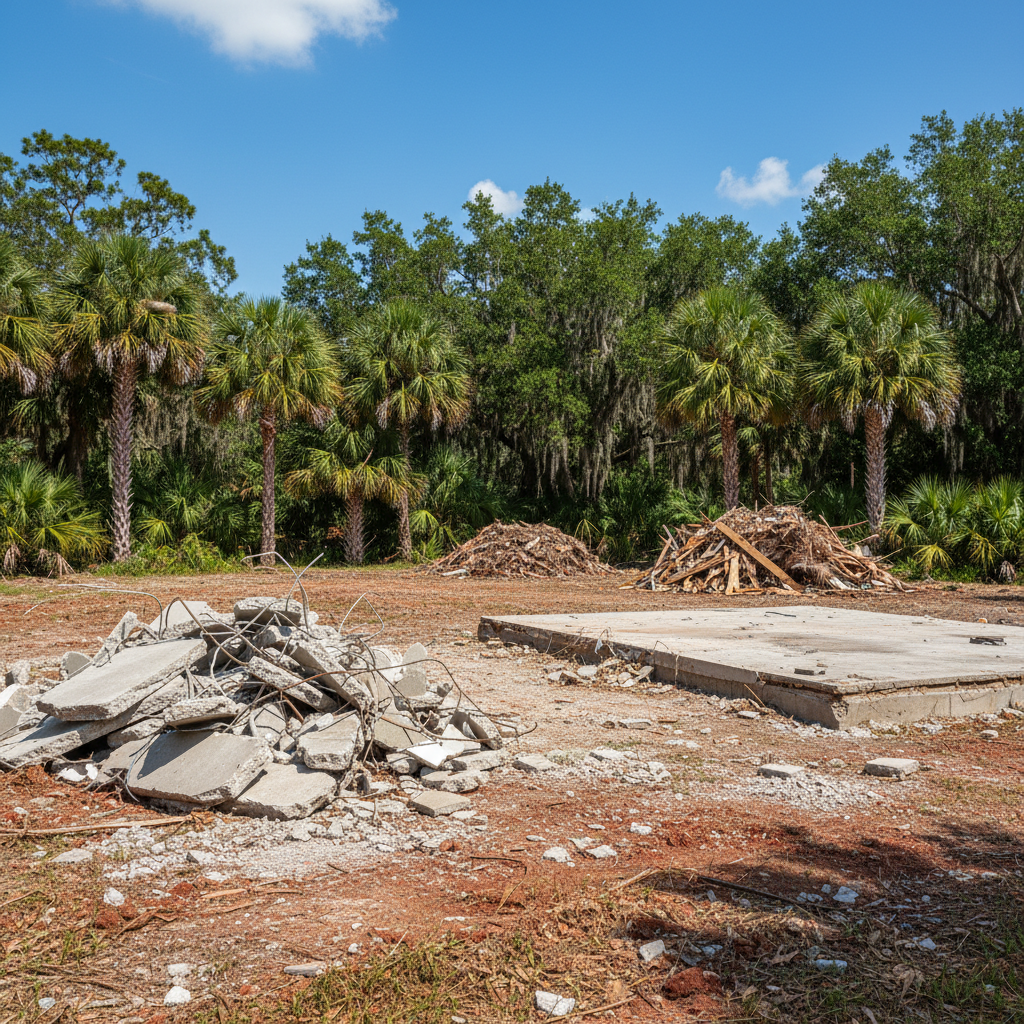
Finding a reliable Demolition Contractor to tear down an old structure on your property takes more than clicking the first link that pops up online. Whether you are clearing a lot in St. Andrews or taking down a storm-damaged building near Millville, you need someone who knows local rules and does the job right. Here is what you need to look for when you are ready to hire.
What to Ask Before You Sign
Never hire a crew without asking a few direct questions first. You want to know who is actually running the job site. Ask if they handle permitting through Bay County or the city directly, because you do not want to get stuck footing the fine for unpermitted work. Find out how they handle debris disposal and if hauling fees are baked into the initial estimate. Guardian Demolition always lays out these details upfront so there are no surprises when the machines roll in.
Reading Between the Lines on Quotes
A cheap quote often means something important was left off the page. Make sure your estimate breaks down heavy machinery operation, labor, permits, and complete site cleanup. If a quote just lists a single lump sum with zero details, treat it as a warning sign. Local jobs can run into complications like sandy coastal soil or unexpected underground utilities, so your estimate needs to account for the real scope of the teardown.
Red Flags to Watch Out For
Walk away immediately if a contractor knocks on your door offering a discount because they just finished a job down the street. Legitimate local operators do not work out of unmarked trucks with out-of-state plates. Another red flag is a request for a huge cash deposit upfront before any work starts. Reputable businesses work on standard draw schedules and accept traceable payments.
How to Verify They Are Legitimate
Do not just take someone's word for it when they say they are licensed and insured. Ask for their state license number and punch it into the Florida DBPR website to make sure it is active and clean. Call their insurance provider directly to verify that general liability and workers' compensation policies are current. If a worker gets hurt on your property and the company lacks proper coverage, you could be held liable. Do your homework once, and you will save yourself a lot of trouble.