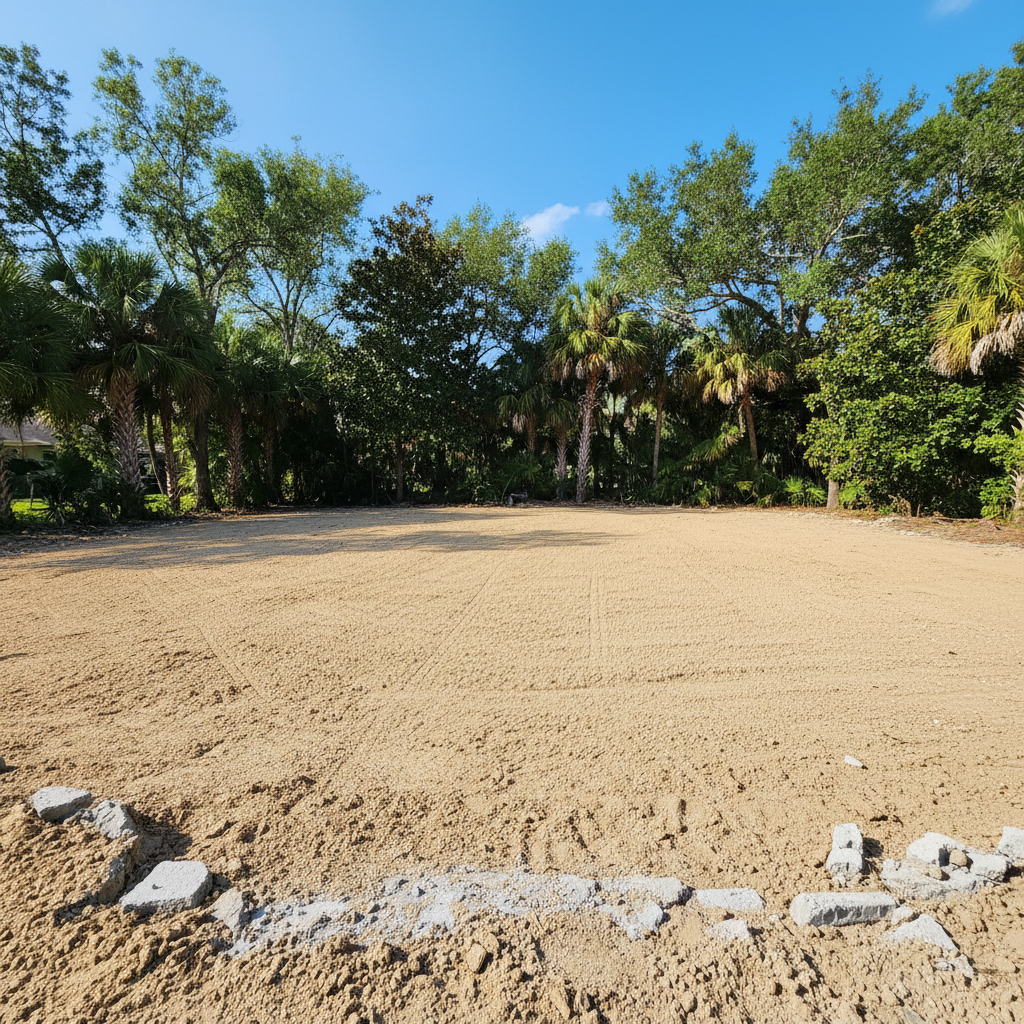
You’ve invested good money in an excavation project, whether it’s for a new foundation, a drainage system, or a pool. You want that work to last, right? Down here in Panama City, with our sandy soil, heavy rains, and the occasional hurricane, 'set it and forget it' just isn't an option when it comes to keeping your excavation stable.
I've seen too many folks think once the heavy equipment leaves, the job’s done. That’s a mistake that can cost you big down the road. Proper maintenance isn't just about fixing problems; it's about preventing them. Let's talk about what you need to do to extend the life of your excavation work.
Extending the Life of Your Excavation
The key here is managing water and preventing erosion. Our Florida weather, especially during hurricane season, can be brutal on disturbed earth. Here’s what you should be doing:
- Proper Grading and Drainage: This is huge. When we finish a job, we make sure the final grade slopes away from any structures or critical areas. You need to maintain that. If you see water pooling where it shouldn't, or running directly into an excavated area, you've got a problem. Make sure your gutters are clean and downspouts direct water well away from your foundation or any backfilled areas.
- Vegetation Cover: For any sloped areas or exposed soil that isn't going to be paved or built on immediately, get some grass or ground cover planted. Roots hold soil together. It's simple, but incredibly effective, especially with our sandy soil that washes away easily.
- Compaction: If we did a backfill, we compacted it properly. But over time, especially with heavy rains, some settlement can occur. Keep an eye on it. If you notice significant dips, it might need more fill and compaction.
- Avoid Heavy Loads: Don't park heavy equipment or store massive piles of materials right on top of newly backfilled areas, especially if they're supporting a structure. Give the soil time to fully settle and consolidate.
Regular Maintenance: What to Look For
Think of this like checking the oil in your car. A quick look around can save you a headache later.
- After Heavy Rains: This is prime time for inspection. Walk around your property, especially near any excavated or backfilled areas. Look for new ruts, washouts, or areas where soil has clearly moved.
- Check Drainage Paths: Are your swales clear? Are culverts free of debris? Leaves, pine needles, and general yard waste can clog these up fast, sending water where it doesn't belong.
- Look for Cracks or Sinking: In any paved areas adjacent to an excavation, like a driveway or patio, look for new cracks or signs of sinking. This can indicate underlying soil movement.
- Erosion Control Measures: If you used silt fences or hay bales during construction, they're not meant to be permanent. But if you have any ongoing erosion control, check that it's still doing its job.
Warning Signs of Trouble
These are the things that should make you pick up the phone.
- Significant Washouts: If you see large channels carved out by water, or significant amounts of soil moved, that’s a red flag.
- Cracks in Foundations or Walls: This is serious. If you notice new or expanding cracks in your home's foundation, basement walls, or even interior drywall, especially near an excavated area, it could be a sign of settlement or instability.
- Uneven Settlement: If a deck post starts leaning, or a section of your patio drops noticeably, that’s a problem.
- Standing Water: Persistent standing water in areas that should be draining properly means your grading isn't working, and that water can undermine your soil.
- Exposed Utilities: If pipes, cables, or other utilities that were buried are now visible due to erosion, you've got a significant issue.
When to Call a Professional
Don't try to be a hero when you see these warning signs. Some things are beyond a DIY fix. You need to call in someone with experience, like us at Guardian Demolition, if you notice any of the major warning signs I just mentioned.
We can assess the situation, figure out what’s causing the problem, and recommend the right solution. Sometimes it’s a simple regrade; other times it might involve more extensive repair, like shoring up a failing slope or re-compacting a settling area. Ignoring these issues won't make them go away; they'll only get worse and more expensive to fix down the line. Protecting your investment means staying on top of things, especially with our challenging Panama City environment.