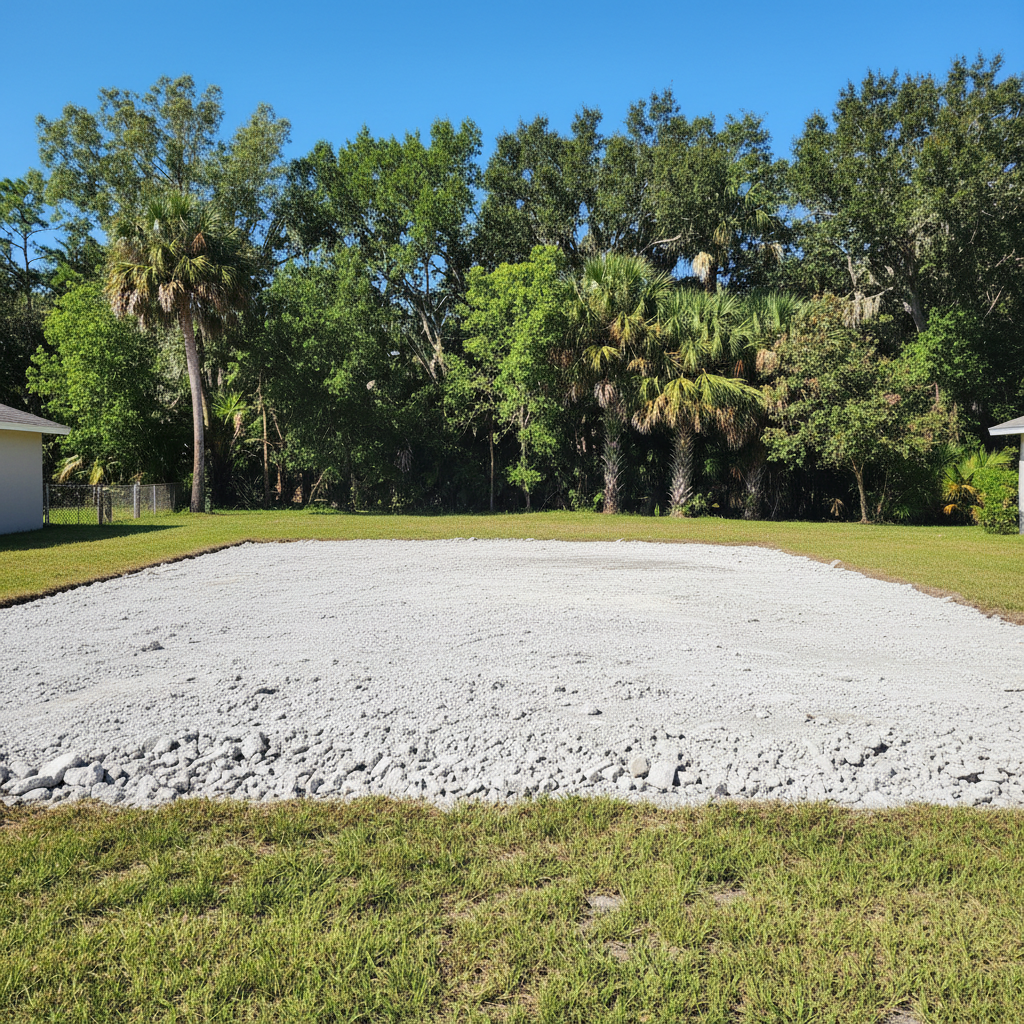
So, you just had some old concrete ripped out – maybe a patio, a driveway, or even a foundation – and now there's new stuff poured. Looks great, doesn't it? But here’s the thing: concrete isn't a 'set it and forget it' kind of deal, especially not down here in Panama City. Our climate, with its intense sun, heavy rains, and salty air, really puts concrete through its paces. If you want that new slab to last, you've got to show it a little love.
Making Your Concrete Investment Last Longer
When we talk about concrete demolition, it usually means new concrete is going in. And you want that new concrete to last as long as possible, right? The biggest thing you can do to extend its life starts right after it's poured: proper curing. If your contractor didn't cure it right, well, you're already behind. But assuming that was done correctly, the next step is sealing. I really can't stress this enough for our area.
A good quality sealer is your concrete's best buddy against the elements. It helps repel water, which is super important with our frequent downpours and high humidity. It also protects against UV rays, which can degrade the surface over time, and helps prevent stains. Think of it like sunscreen for your concrete. You'll want to reapply it every few years, depending on the type of sealer and how much traffic the concrete sees. For a driveway, you might do it more often than, say, a back patio that's mostly covered.
Another thing is proper drainage. If water is constantly pooling on or around your concrete, it's going to cause problems. We see it all the time with driveways that weren't graded correctly, or patios where the downspouts just dump water right next to them. Make sure water flows away from your concrete surfaces, not towards them or sitting on them. That constant moisture can lead to cracking, spalling, and even undermine the base over time. What a mess!
Regular Maintenance: Simple Steps for Durable Slabs
Regular maintenance for concrete isn't rocket science, but it does need a little attention. Here's what I tell folks:
- Keep it Clean: Sweep off dirt, leaves, and debris regularly. Organic matter can hold moisture against the surface and encourage mold or mildew growth. That's not just ugly; it can also trap moisture.
- Wash it Down: A good pressure wash once or twice a year can do wonders. Just be careful not to use too high a pressure setting, especially on older or more delicate surfaces, as it can etch or damage the concrete. A general rule of thumb: use a wide tip and keep the nozzle moving.
- Address Stains Quickly: Oil, rust, or other spills should be cleaned up as soon as possible. The longer they sit, the harder they are to remove and the more likely they are to penetrate the concrete, even if it's sealed.
- Watch for Weeds: Weeds pushing up through cracks aren't just unsightly; their roots can make existing cracks worse and create new ones. Pull them out promptly.
It's about being proactive. A little effort now saves you a lot of headache and expense later.
Warning Signs: When Your Concrete is Crying for Help
Your concrete will tell you when it's having issues; you just need to know what to look for. Don't ignore these warning signs:
- Cracks: Hairline cracks are pretty common and usually not a big deal, especially with our expansive clay soils here around Lynn Haven. But if you see cracks that are widening, getting longer, or if one side of the crack is noticeably higher than the other, that's a problem. Those indicate movement in the slab or the ground underneath.
- Spalling or Flaking: This is when the surface of the concrete starts to chip, flake, or peel away. It's often caused by freeze-thaw cycles (though less common here in Panama City, it can happen on rare cold snaps if the concrete wasn't properly air-entrained) or by water getting into the concrete and then expanding. It can also be a sign of poor quality concrete or a weak surface layer.
- Pitting: Small holes or depressions in the surface. This can be from aggregate popping out, or from chemical exposure.
- Unevenness or Sinking: If a section of your concrete driveway or patio starts to sink or become uneven, that's a clear sign of a problem with the sub-base. It could be erosion, poor compaction, or even plumbing leaks underneath.
- Discoloration or Stains that Won't Go Away: Beyond surface dirt, persistent dark spots or streaks could indicate moisture problems or even mold growing within the concrete itself.
If you see any of these, it's time to investigate further.
When to Call a Professional
For minor issues, you might be able to handle them yourself with patching compounds or crack fillers. But there are definitely times when you need to call in the pros. If you're seeing significant cracking, large areas of spalling, or any kind of structural movement like sinking or heaving, don't try to DIY it. You're likely dealing with issues far deeper than what a quick fix can address.
Things like significant sub-base erosion, large-scale concrete lifting (mudjacking or slabjacking), or extensive repairs that need specialized equipment are best left to experienced concrete contractors. Trying to fix these yourself can often make the problem worse, or at the very least, you won't get a lasting repair. We at Guardian Demolition deal with the aftermath of failed concrete all the time, and believe me, it's often more expensive to fix a botched repair than to get it done right the first time.
Think of it this way: a good contractor can figure out the root cause of the problem, not just patch over the symptoms. They'll have the right tools and know-how to ensure the repair lasts, saving you money and frustration down the road. Don't wait until a small crack turns into a tripping hazard or a major structural issue. Get it checked out early.