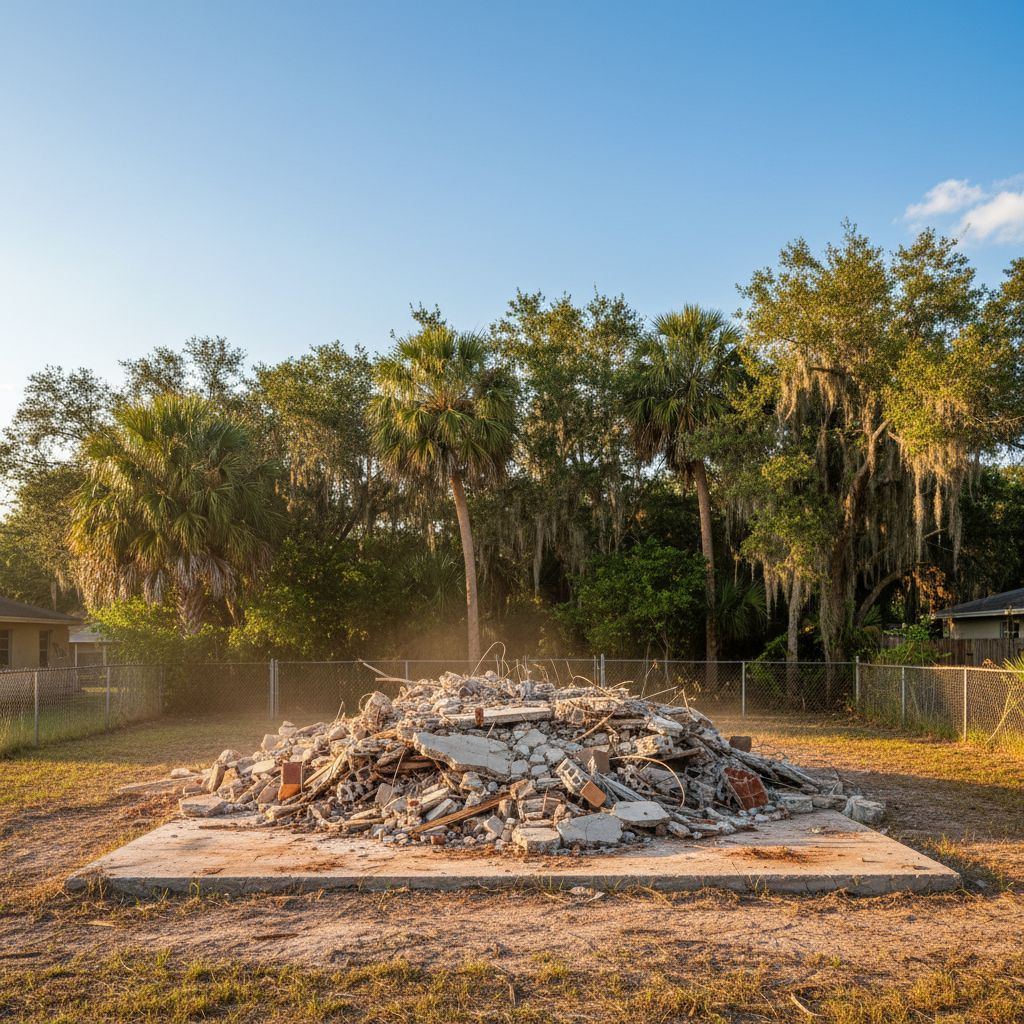
So, you've decided it's time to knock down an old building on your property. Maybe you're clearing the lot for a brand-new construction, or perhaps an old house just isn't worth fixing up after years of wear and tear. Whatever the reason, if you're planning a full building demolition here in Panama City, the biggest thing you need to think about isn't just the price or the crew. It's the weather. Our local climate really dictates how these projects unfold, and you'll want to schedule smart to protect your investment.
When's the Best Time to Demo in Panama City?
Honestly, there's no single "perfect" season for demolition around here. But there are definitely better windows of opportunity, and times you'd probably want to steer clear of. We deal with some pretty wild weather, from scorching summers to hurricane season, and all of that plays a part.
Fall (October - November): This is often your sweet spot, really. The intense heat and humidity of summer are usually behind us by then, and hurricane season is starting to wind down. You get cooler temperatures, less rain, and generally more predictable days. This means our crews can work much more efficiently, and you're less likely to face weather-related delays. Plus, the ground tends to be drier, which is a huge bonus when you're bringing in heavy equipment. Wet, soggy soil — something pretty common in places like the sandy, low-lying parts of St. Andrews — can make moving machinery a real headache and even cause stability problems.
Winter (December - February): Also a pretty good time. We don't get "winter" like folks up north do, but we do get cooler, drier air. Rain can still pop up, sure, but you're generally looking at fewer severe storms. The biggest challenge might be the occasional cold snap, which can slow things down a bit, but it's usually nothing that stops a project entirely.
Spring (March - May): This can be a bit of a gamble, frankly. You'll have some absolutely beautiful days, but you also start seeing more pop-up thunderstorms and the beginning of the humid season. The ground can get saturated quickly, and that means mud. Lots and lots of mud. If you're on a tight schedule, spring can be tricky because those afternoon showers can halt work for hours, or even a full day.
Summer (June - September): This is usually the toughest time to tackle a demolition. The heat and humidity are brutal for our crews, meaning we have to take more frequent breaks for safety. Then, of course, there's hurricane season, which officially runs through November but really ramps up in late summer. A tropical storm or hurricane threat means we've got to secure the site, potentially pull equipment, and just wait it out. That's not just a delay; it's an added cost. Heavy rains also turn sites into swamps, making excavation and debris removal much harder and messier.
How Weather Impacts Your Demolition Project
It's not just about keeping the crew comfortable; weather directly affects your project's safety, efficiency, and cost.
- Rain and Saturated Ground: This is a big one, perhaps the biggest. Heavy rain turns a demolition site into a muddy mess. Our heavy equipment, things like excavators and Bobcats, can easily get bogged down. This slows down debris removal, makes it harder to separate materials for recycling, and can even damage access roads. It also increases the risk of soil erosion, especially if your property has any kind of slope.
- High Winds: Even outside of hurricane season, strong gusts can be a real problem. When you're tearing down a structure, particularly one with loose materials or tall sections, high winds are a serious safety hazard. We might have to pause work until conditions are safer.
- Extreme Heat and Humidity: As I mentioned, this affects our crew's ability to work safely and efficiently. We prioritize their well-being, which means more breaks, more hydration, and sometimes shorter workdays. This can extend the project timeline, you know?
- Lightning: Afternoon thunderstorms are super common here, and lightning means we immediately stop work. You simply can't operate heavy machinery or work on an exposed site when there's lightning around.
Protecting Your Investment Year-Round
No matter when you schedule, there are things we do, and things you should know, to protect your demolition investment.
First, communication is key. We'll always keep you in the loop about weather delays and how they might affect the timeline. Don't be afraid to ask questions. You're paying for this, and you deserve to know what's happening.
Second, proper site preparation. Before we even start, we make sure the site is as ready as it can be for whatever weather comes our way. That means thinking about drainage, access points, and securing anything that could become a projectile in high winds.
Third, choosing the right contractor. This isn't a sales pitch, it's just common sense. You need a local company like Guardian Demolition that truly understands Panama City's specific climate challenges. We've been through enough hurricane seasons and rainy summers to know how to plan for them. We have the right equipment for wet conditions and the experience to adapt when Mother Nature throws a curveball.
Ultimately, while you can't control the weather, you *can* control when you schedule your project and who you hire. Plan wisely, and you'll have a much smoother demolition experience.