Do I really need a permit for structural demolition in Panama City?
Oh, absolutely. This isn't one of those "maybe" situations; it's a "definitely" situation. Any time you're taking down a structure that's hooked up to utilities, sitting on a foundation, or just generally pretty big, the City of Panama City and Bay County building departments will want to know about it. They need to make sure the work gets done safely, that all the utilities are properly disconnected, and that the site will be left in good shape. Trying to skip this step? That's just asking for a huge headache. You'll likely face fines, stop-work orders, and you might even have to redo work or pay more to get things up to code later on. Trust me, it's not worth the risk. Just get the permit. It protects you, your neighbors, and the folks working on site.
How long does a typical structural demolition project take?
That's a tough one to give a single answer for, honestly, because it depends so much on the size and complexity of the structure. A small, single-story detached garage? We might have that down and cleaned up in just a few days. But a larger, two-story house with a concrete slab foundation? You're probably looking at a week or two, sometimes even more. A few things can really slow us down:
- Asbestos or lead paint: If we find these, we have to bring in specialists for abatement, which definitely adds time and cost.
- Utility disconnections: Waiting on FPL, Gulf Power, or the water department to disconnect lines can sometimes take longer than the actual demolition. It's frustrating, but it happens.
- Weather: Heavy rains, especially during hurricane season, can turn a site into a muddy mess and make it unsafe to operate heavy equipment. We get a lot of that here, particularly in the summer months.
- Site access: Tight spaces or difficult terrain can also extend the timeline.
When I give you a quote, I'll also give you a realistic timeline, and we'll keep you updated if anything changes.
What about asbestos and lead paint? How do you handle that?
This is a big one, and it's something we take very seriously. Before any structural demolition starts on an older home – generally anything built before 1980 for asbestos, and before 1978 for lead paint – we'll need to have a certified environmental specialist inspect the property. It's a non-negotiable step, no way around it. If asbestos-containing materials (ACMs) or lead-based paint show up, we can't just tear into it. We'll need to bring in a licensed abatement contractor to safely remove and dispose of these materials, following strict federal and state regulations. This isn't something you want to cut corners on; improper handling can lead to serious health risks for workers and anyone living nearby. It also means more specialized equipment and disposal, which will add to the overall cost and timeline. We'll guide you through this process if it comes up.
What's the difference between 'demolition' and 'deconstruction,' and which one should I choose?
Good question, and it's one I hear a lot. 'Demolition' is what most people picture: bringing down a structure quickly, usually with heavy machinery, then hauling away the debris. The main goal there is efficiency and clearing the site. 'Deconstruction,' on the other hand, is a more careful, systematic dismantling of a building. The idea is to salvage as many materials as possible for reuse or recycling. Think of it as taking the building apart piece by piece instead of just knocking it down.
Which one you pick really depends on your priorities. Deconstruction is more environmentally friendly and can sometimes offer tax benefits if you donate materials. However, it's almost always more time-consuming and labor-intensive, which means it costs more upfront than traditional demolition. If you have a newer home with little salvageable value, or if speed is your top priority, demolition is probably the way to go. But if you're passionate about sustainability, or if your home has valuable architectural elements or good quality lumber, deconstruction might be a better fit. We can discuss the pros and cons for your specific project when we do an assessment.
What happens to all the debris after you tear down my house?
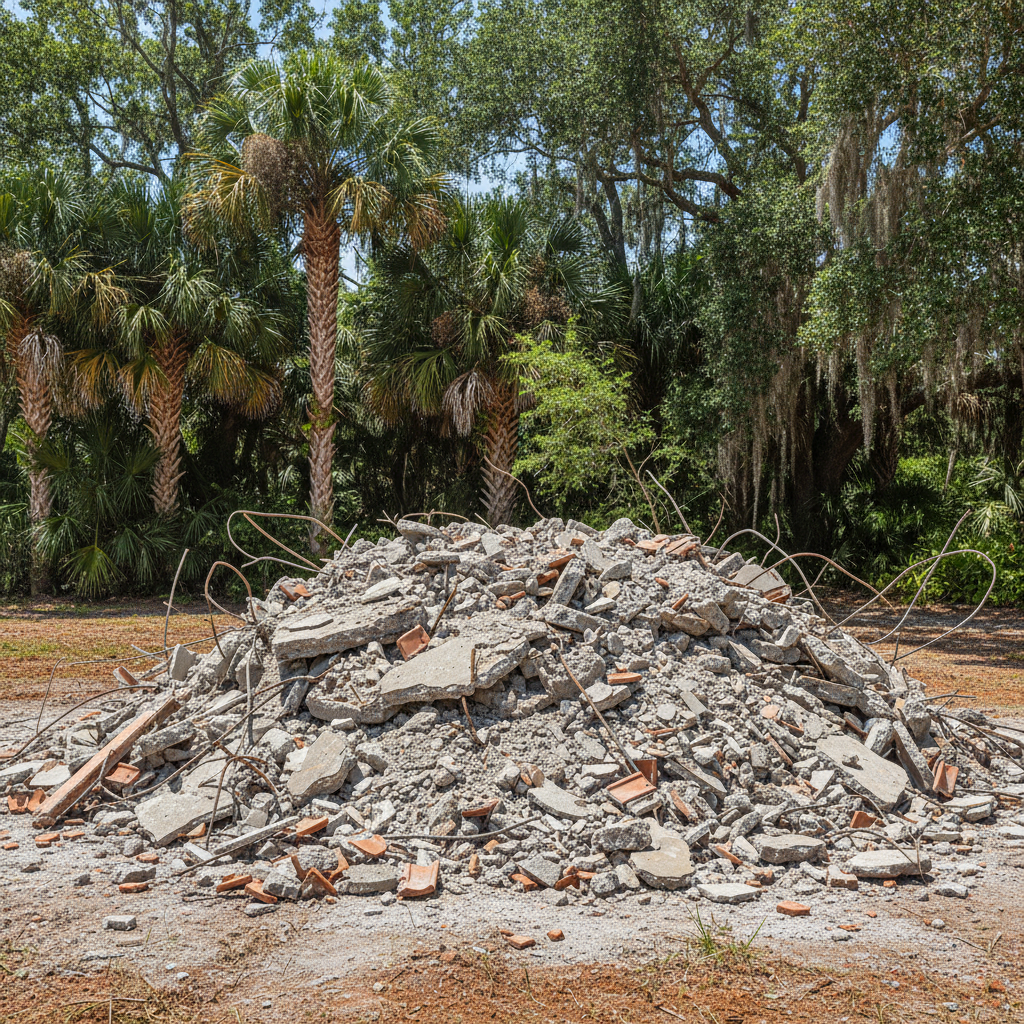
We don't just leave a pile of rubble in your yard, that's for sure! Once the structure is down, our crew gets to work on site clearing and debris removal. We separate materials as much as we can – concrete, metal, wood, drywall, and so on – to make recycling easier. Concrete and asphalt, for example, often get crushed and reused as aggregate for new construction or road bases. Scrap metal goes to recycling facilities. Wood can sometimes be chipped for mulch or biomass. Anything that can't be recycled or reused gets transported to an approved landfill. We make sure the site is left clean and level, ready for whatever your next project is, whether that's new construction or just a nice, clear lot. We're pretty particular about leaving a clean site; it's part of the Guardian Demolition standard.
Will structural demolition affect my neighbors or their property?
We do everything we can to minimize the impact on your neighbors. Before we even start, we'll make sure to put up proper fencing and signage to keep people out of the work zone. We use dust suppression techniques, like water spraying, to keep airborne particles down – that's especially important here with our sandy soils that can kick up easily. We also take precautions to protect adjacent properties from any potential damage, like vibrations or falling debris. This might mean setting up temporary barriers or carefully planning the direction of the demolition. We're always mindful of noise levels during working hours and communicate with you about the schedule so you can inform your neighbors. We're a local business, and we value good relationships in the community, so being a good neighbor during a demolition project is a priority for us.
What's the typical cost for structural demolition in Panama City?
This is the million-dollar question, and honestly, there's no single "typical" cost. It varies wildly based on several factors. A small, simple structure might be a few thousand dollars, while a large, complex house with environmental issues could easily run into the tens of thousands, or even more. Here's what really drives the cost:
- Size of the structure: Bigger buildings cost more to tear down and remove.
- Type of construction: Wood-frame homes are generally cheaper to demolish than concrete block or brick structures.
- Foundation type: Slab foundations are usually easier than deep pilings or basements.
- Location and access: If the site is hard to get to with heavy equipment, or if it's in a densely populated area, it can increase costs.
- Asbestos/lead abatement: If these are present, they add significant cost.
- Utility disconnections: Sometimes there are fees from utility companies.
- Permit fees: These vary by jurisdiction and project size.
- Debris disposal: Landfill fees and transportation costs are a major component.
The best way to get an accurate estimate is to have us come out and take a look at your specific property. We'll give you a clear, itemized quote so you know exactly what you're paying for.
Do I need to do anything to prepare my property before demolition starts?
Yes, you'll have a few things to take care of. First, make sure all personal belongings, appliances, and anything else you want to keep are removed from the structure. We're not responsible for things left behind, after all. Second, you'll need to have all utilities disconnected – electricity, water, gas, sewer, and any communication lines. We can help guide you on who to call for this, but it's usually the homeowner's responsibility to initiate those disconnections. Third, clear the immediate area around the structure of any vehicles, landscaping features, or anything else that could be damaged or interfere with our equipment. We'll do a final walk-through with you before we start to make sure everything is ready and safe to proceed.