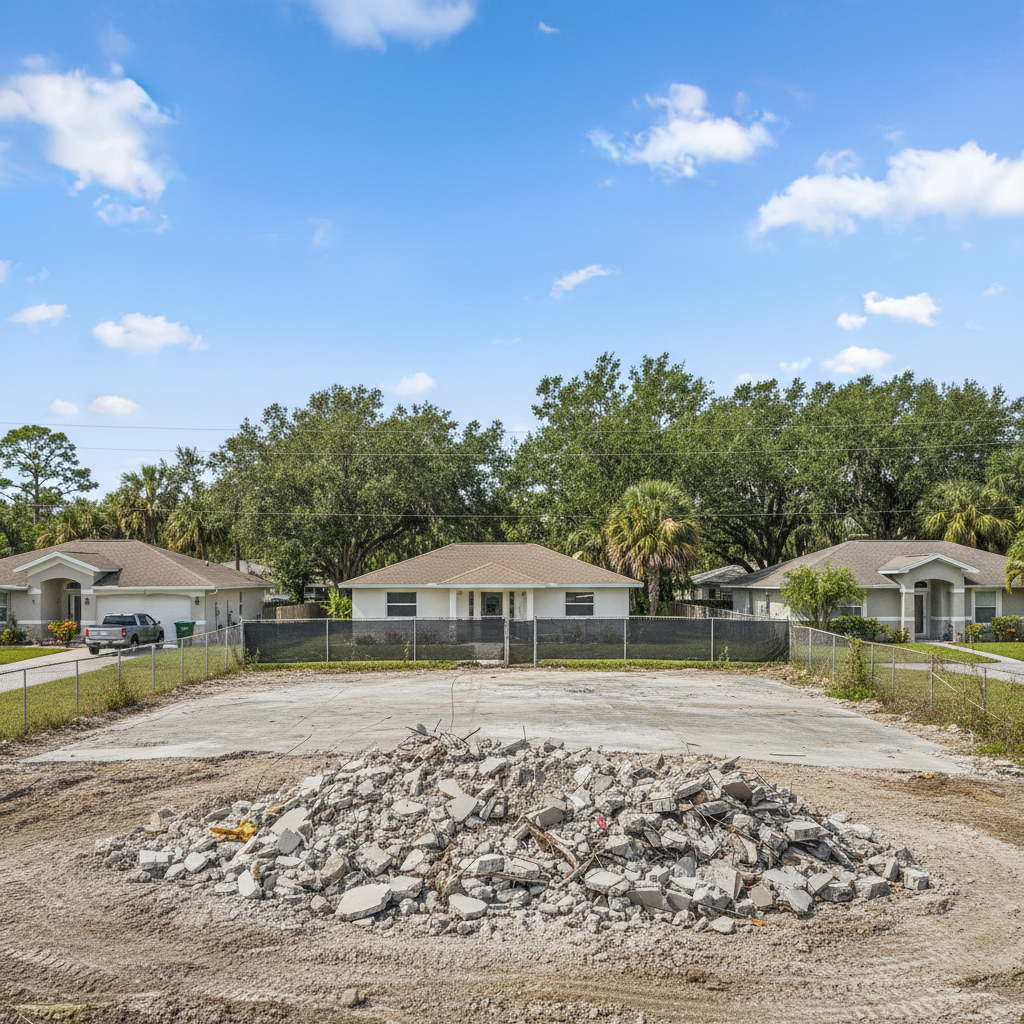
So, you’ve got a building that needs to come down. Maybe it’s an old storm-damaged structure, a condemned property, or you’re just making way for something new. Whatever the reason, structural demolition isn't a job you hand off to just anyone. Especially not here in Panama City.
It's Not Just About Swinging a Wrecking Ball
When most folks think demolition, they picture a big machine smashing things. And yeah, there's plenty of that. But what you don't see, or what a lot of people don't consider, is everything that goes into making that smash safe, efficient, and compliant with local rules.
First off, you've got permits. You can't just start tearing down a building in Lynn Haven or anywhere else without the proper paperwork. We're talking city permits, county permits, sometimes even state permits depending on the scope. Navigating that bureaucracy can be a headache if you don't know the ropes. We do this all the time, so we know exactly what's needed and who to talk to.
Then there's the actual planning. Every structure is different. Is it concrete? Wood frame? How old is it? What's nearby? You can't just go in blindly. You need a detailed plan that accounts for safety, environmental concerns, and how to get the job done without damaging neighboring properties or utilities.
Local Conditions Demand Local Knowledge
This is where being from Panama City really makes a difference. We deal with specific conditions that an out-of-town crew might not even think about until it's too late.
- Sandy Soil: Our soil here is mostly sand. That's great for the beach, but it's a whole different ballgame when you're bringing down heavy structures. You need to understand how equipment will sit, how vibrations will travel, and how to manage debris without causing instability. We've seen projects where heavy machinery gets bogged down or causes unexpected ground shifts because the crew didn't account for our soft, sandy base.
- Hurricane Season: We all know what hurricane season means for us. It's not just about getting the job done quickly; it's about making sure the site is secure and safe if a storm rolls in. You can't leave a half-demolished building as a hazard. We plan our projects with weather in mind, ensuring sites are stable and debris is managed, even during active demolition.
- Neighborhood Types: We've got everything from older, tightly packed residential areas in St. Andrews to newer, spread-out developments. Each presents its own challenges. Demolishing an old beach cottage on a small lot in a residential zone is very different from taking down a commercial building on a main road. You've got to consider noise, dust, traffic flow, and how to minimize disruption for the folks living and working nearby.
Common Projects We See Around Here
What kind of demolition are we usually doing in Panama City? A lot of it boils down to a few key categories:
- Storm Damage: Unfortunately, this is a big one for us. After a hurricane, many structures are beyond repair. We're often called in to safely dismantle these buildings, clearing the way for rebuilding. It's tough work, emotionally and physically, but it's essential for our community's recovery.
- Redevelopment: Panama City is growing and changing. Older commercial buildings or even some residential properties are being torn down to make way for new businesses, apartment complexes, or updated homes. We help clear the slate for progress.
- Hazardous Structures: Sometimes a building just becomes unsafe. It might be structurally compromised, have severe mold issues, or be a fire hazard. Getting these down quickly and safely is crucial for public safety.
When you hire a local company like Guardian Demolition, you're not just getting guys with equipment. You're getting a team that understands the local landscape, the local regulations, and the local community. We know the city, we know the soil, and we know what it takes to get a demolition job done right, safely, and without unnecessary headaches. Don't take chances with something this important.